Countries: Burundi, Ethiopia, Kenya, Rwanda, Somalia, Uganda, United Republic of Tanzania
Source: Famine Early Warning System Network

Please refer to the attached file.
Key Messages
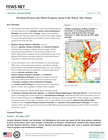
- The October–December 2025 short rains was characterized by extreme deficits across Somalia, eastern and southeastern Ethiopia, and eastern half of Kenya. Typical dry conditions persisted into February 2026 across much of the region (Figure 1), exacerbating the severe dry conditions and driving serious concerns for food security.
- Western Kenya, western Ethiopia, much of Burundi, Uganda, western Rwanda and Central Tanzania received near-average to slightly above-average rainfall, supporting improvements in soil moisture ahead of the March–May season. However, early rainfall deficits due to the delayed OND season and poor seasonal rainfall distribution may lead to reduced overall production.
- Across the eastern Horn, the combination of extremely poor OND rains, continued January dryness, and above-average temperatures has severely limited prospects for crop recovery. Poor to failed harvests are expected in marginal agricultural areas of central, southern, and eastern Kenya, southern Somalia, and southern and southeastern Ethiopia. Pasture and water resources have also continued to deteriorate across pastoral areas of Somalia, southern and southeastern Ethiopia, and eastern half of Kenya, prompting livestock migrations earlier, further, and in greater numbers than is typical.
- Short term forecasts indicate likely above-average rainfall in Tanzania, Rwanda, Burundi, Uganda, and western Kenya beginning in February–March. A potential early onset of the Belg rains is also expected in southwestern Ethiopia. Seasonal forecast from the Greater Horn of Africa Climate Outlook Forum (GHACOF) indicates average to above-average March–May rainfall across western and central parts of the region. However, near-normal rainfall is projected for Eastern East Africa (EEA) including most of eastern Kenya, southern Somalia, and southern and southeastern Ethiopia, this raises concern about recovery, given the extreme rainfall deficits experienced during the recent October–December short/Deyr season.
Leave a Reply